
The Future of GMP Training: Preparing Pharmaceutical Manufacturing Teams for a Digital Era
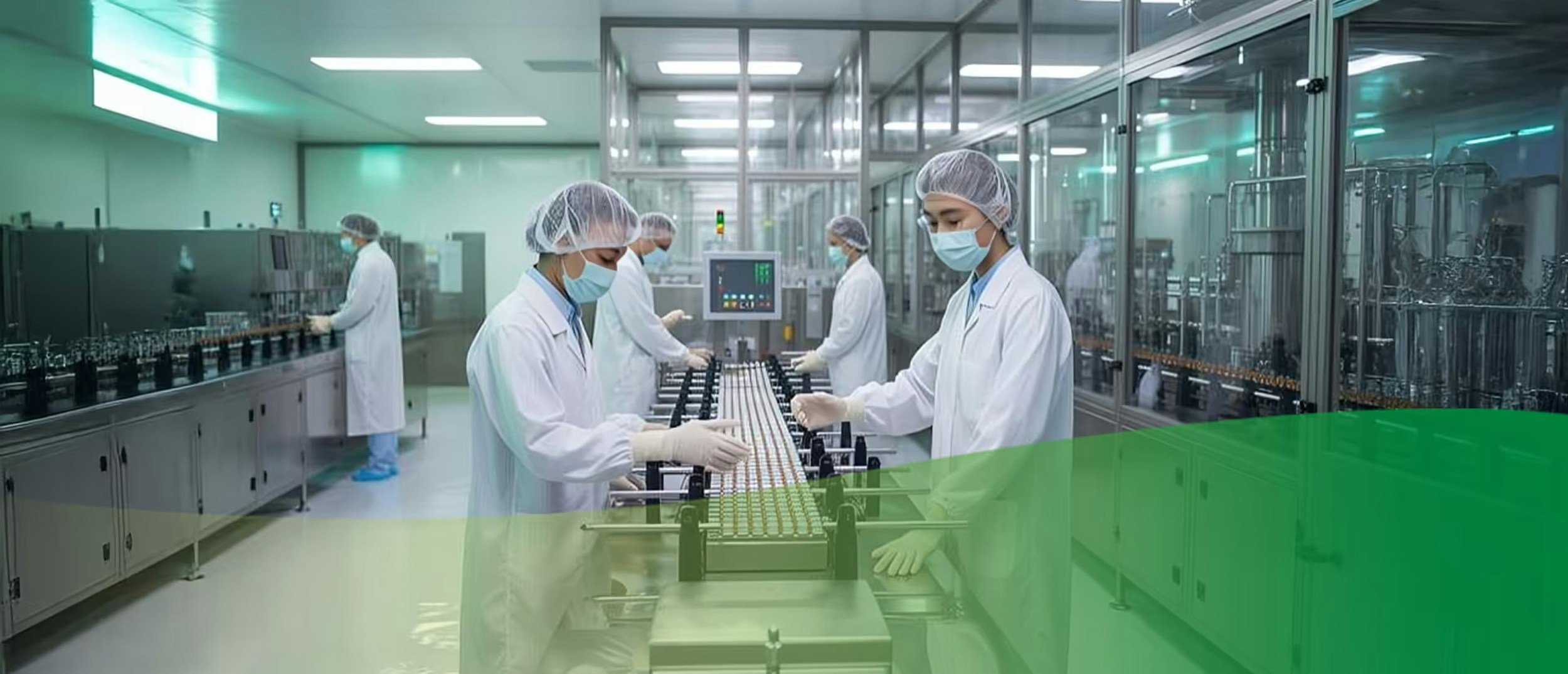
The pharmaceutical manufacturing industry is evolving rapidly. As facilities adopt automation, digital quality systems, AI-supported processes, and advanced manufacturing technologies, the expectations placed on today’s workforce are changing just as quickly. For pharmaceutical companies, training is no longer simply a compliance requirement — it has become a strategic investment in operational readiness, quality culture, and long-term success.
At Gill’s, we see this shift firsthand. Modern commissioning, qualification, and validation projects now require teams that are not only technically skilled, but also digitally fluent and prepared to operate in increasingly complex GMP environments.
Why GMP Training Is Changing
The rise of Pharma 4.0 technologies is transforming how pharmaceutical facilities operate. Manufacturers are implementing:
Electronic batch records
Manufacturing execution systems (MES)
Automated environmental monitoring
Digital validation platforms
AI-assisted quality management tools
These innovations improve efficiency, traceability, and compliance — but they also require a workforce capable of understanding and managing advanced systems within regulated environments.
At the same time, regulatory expectations surrounding data integrity, electronic records, and risk-based validation continue to increase. Teammates must now understand not only GMP fundamentals, but also how digital systems impact compliance, documentation, and inspection readiness.
Traditional annual GMP refresher training alone is no longer sufficient for today’s manufacturing landscape.
The Growing Skills Gap in Pharmaceutical Manufacturing
One of the biggest challenges facing the industry is the growing gap between traditional manufacturing experience and modern digital competency.
Many experienced professionals built their careers working with paper-based systems and manual workflows. Today’s facilities, however, require knowledge of:
Computer System Validation (CSV)
Computer Software Assurance (CSA)
Automation and control systems
Digital quality management systems
Electronic documentation practices
Data analytics and AI governance
As pharmaceutical companies continue to modernize their operations, the need for continuous workforce upskilling has become critical.
This is especially important during facility startup, equipment qualification, and process validation activities, where errors caused by insufficient training can lead to delays, deviations, and compliance risks.
Emerging Trends in GMP Training for 2026
Several key trends are shaping the future of pharmaceutical manufacturing training.
AI-Assisted Learning and Knowledge Support
Artificial intelligence is beginning to support GMP training programs by helping teammates quickly access SOPs, investigate deviations, and analyze historical trends. While AI is not replacing human decision-making, it is becoming a valuable tool for improving knowledge accessibility and operational efficiency.
Organizations are increasingly focused on training teammates to use AI responsibly within regulated environments while maintaining strong human oversight and compliance practices.
Simulation-Based Training
Virtual training environments and digital simulations are becoming more common in pharmaceutical manufacturing. Operators and technicians can now practice startup procedures, aseptic techniques, and equipment operations before systems are fully commissioned.
This approach helps improve confidence, reduce human error, and accelerate operational readiness during qualification and startup activities.
Continuous Learning Models
The industry is moving away from one-time annual training events toward ongoing learning programs that include:
Short-form microlearning
Monthly compliance updates
Role-specific digital training
Interactive learning platforms
Continuous learning helps organizations maintain a stronger quality culture while ensuring teammates remain current with evolving procedures and technologies.
Cross-Functional Collaboration
Modern CQV projects require close collaboration between engineering, automation, quality assurance, validation, and manufacturing teams. Training programs are increasingly designed to promote cross-functional understanding so teams can work more effectively together during project execution and routine operations.
What This Means for CQV and Validation Teams
For CQV professionals, the definition of project readiness has expanded significantly. Successful projects today depend not only on properly qualified systems, but also on properly trained personnel.
A fully validated manufacturing process requires operators, engineers, and quality teams who understand:
System functionality
GMP documentation practices
Risk-based validation approaches
Data integrity principles
Digital workflow management
At Gill’s, we recognize that training plays a critical role in achieving sustainable compliance and operational excellence. Whether supporting facility startup, equipment qualification, process validation, or digital system implementation, workforce readiness remains one of the most important factors in long-term project success.
Our approach emphasizes collaboration, compliance, and practical knowledge transfer to help build teams that are prepared for both current regulatory expectations and future industry advancements.
Looking Ahead
As pharmaceutical manufacturing continues to evolve, organizations must view training as more than a regulatory checkbox. The facilities of the future will rely on highly skilled professionals who can operate confidently within advanced digital and automated environments.
Companies that invest in modern GMP training strategies today will be better positioned to improve compliance, reduce operational risk, accelerate startup timelines, and support continuous improvement initiatives.
In an industry where quality and patient safety remain paramount, empowering people through effective training will continue to be one of the most valuable investments a pharmaceutical manufacturer can make.